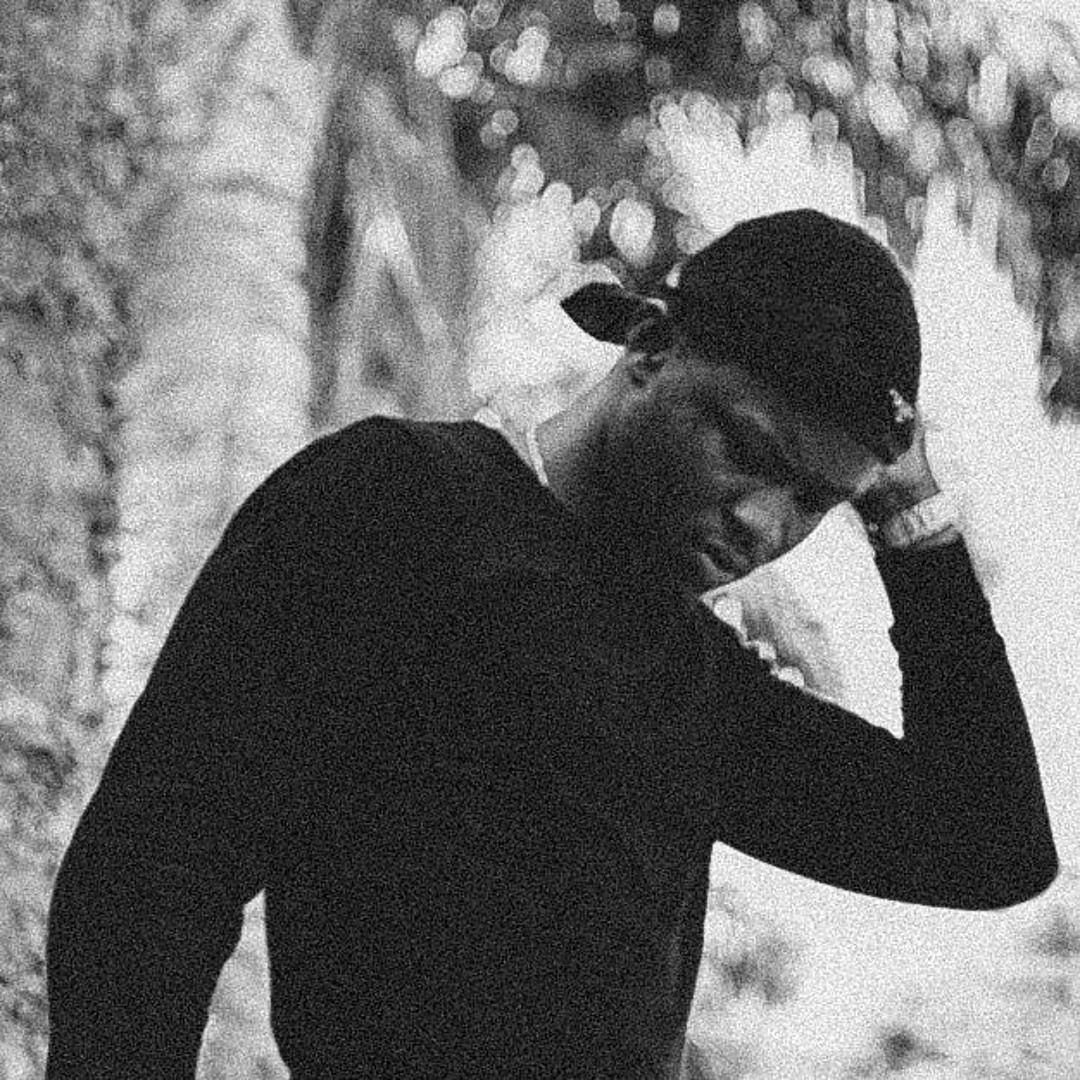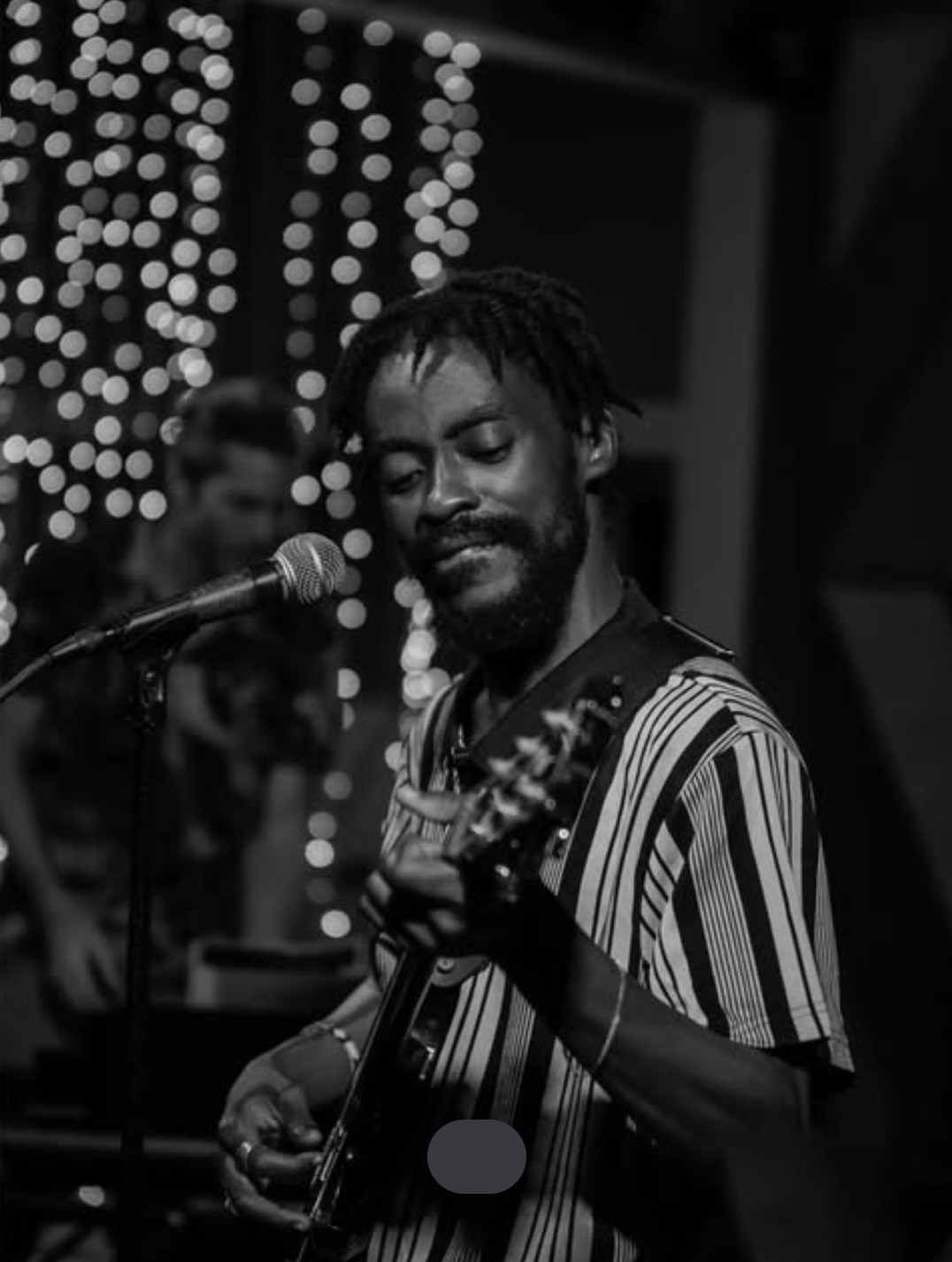
Internationally acclaimed singer, percussionist, guitarist, and dancer Okaidja Afroso creates modern African music that effortlessly flows between tradition and innovation; he “is an artist with staying power.” (Afropop Worldwide) With roots in the traditions of the Ga-Dangme people of Ghana and a spirit shaped by decades of global travel and collaboration, he invites audiences into a celebration of humanity’s shared rhythms with music that defies borders. An artist who “sings about cycles of nature and human life… his music exults in modern technology and cultural fusions.” (The New York Times) Okaidja’s work is at once deeply rooted in heritage and fearlessly contemporary. His sound—a spicy, rhythmic blend of indigenous traditions, ambient textures, and what he calls “Afro-Zeng”—channels the primal pulse of African percussion through the lens of a modern global citizen with expansive influences.
Roots and Early Career
Born into a family of musicians and storytellers in Kokrobite, a coastal fishing village west of Accra, Ghana, Okaidja grew up surrounded by song, drum, and dance. Though singing ran in his family, he first made his mark as a dancer. At 19, he joined the prestigious Ghana Dance Ensemble at the University of Ghana’s Institute of African Studies, where he mastered traditional Ga-Dangme oracle dances and began touring internationally.
During these tours, he encountered Ghanaian-American maestro Obo Addy, who invited him to join Okropong, a Portland-based Ghanaian music and dance group. In his early 20s, Okaidja relocated to the United States, settling in Portland, where he has lived for over 26 years.
Musical Evolution and Style
Okaidja’s artistry expanded from dance to become that of a self-taught guitarist, singer-songwriter, and arranger. His debut album, The Traditionalist, offered a raw, folkloric interpretation of the songs he grew up with in Kokrobite. With his second album, Obutu Apla, he began exploring connections between Ghanaian music and the wider African Diaspora—a direction that deepened with the formation of his band, Okaidja & Shokoto.
He describes his sound as “Afro Soul,” weaving together:
- Traditional Ghanaian rhythms and languages (especially Ga-Dangme)
- Highlife and Afrobeat grooves
- Jazz inflections and diasporic textures
- Meditative, storytelling-driven arrangements he terms “Afro Zen”
Notable Albums and Themes
Okaidja has released several critically noted albums, each advancing a cultural and spiritual narrative:
- The Traditionalist – Folkloric roots and village storytelling
- Obutu Apla – Diasporic inquiry and cross-Atlantic musical links
- Messenger (2012) – A vibrant fusion of tradition and present-day reflection
- The Palmwine Sea – Further exploration of Afro-diasporic sound
- Jàkú Mũmɔ (2022) – Meaning “ancestral spirit” in Ga-Dangme; an album of “new songs that sound old”
- Àbɔɔ Édíŋ (2024) – Translating to “Melanin Earth Garden,” this installment in his Ancient Africa Wisdom Trilogy draws on ancestral proverbs and ecological themes.
His 2023 project Jaku Mumor also engages urgent themes like climate change and globalization, showing how his music functions as both art and cultural commentary.
Performance and Impact
Okaidja’s live shows are intimate, ritual-like experiences that combine song, dance, percussion, and spoken narrative. He has performed at major venues and institutions across the U.S. and Europe, including the Mondavi Center and the Eastman School of Music, often framing concerts as storytelling sessions that translate Ghanaian philosophy for global audiences.
Beyond the stage, he is an educator and cultural ambassador, teaching Ghanaian music and dance and collaborating with artists across genres to keep traditional forms alive in modern contexts.
Why He Matters
Okaidja Afroso exemplifies the power of diasporic artistry: rooted deeply in one place (Kokrobite) yet resonant everywhere. His work preserves endangered oral traditions while reimagining them for contemporary listeners—making him not just a singer, but a living archive of Ga-Dangme wisdom set to music.