Koobi, which is dried and salted tilapia used in Ghanaian cuisine.
Ghanaian cuisine draws on a rich pantry of local and traded ingredients, creating a distinct flavor profile that is savory, spicy, and deeply aromatic.
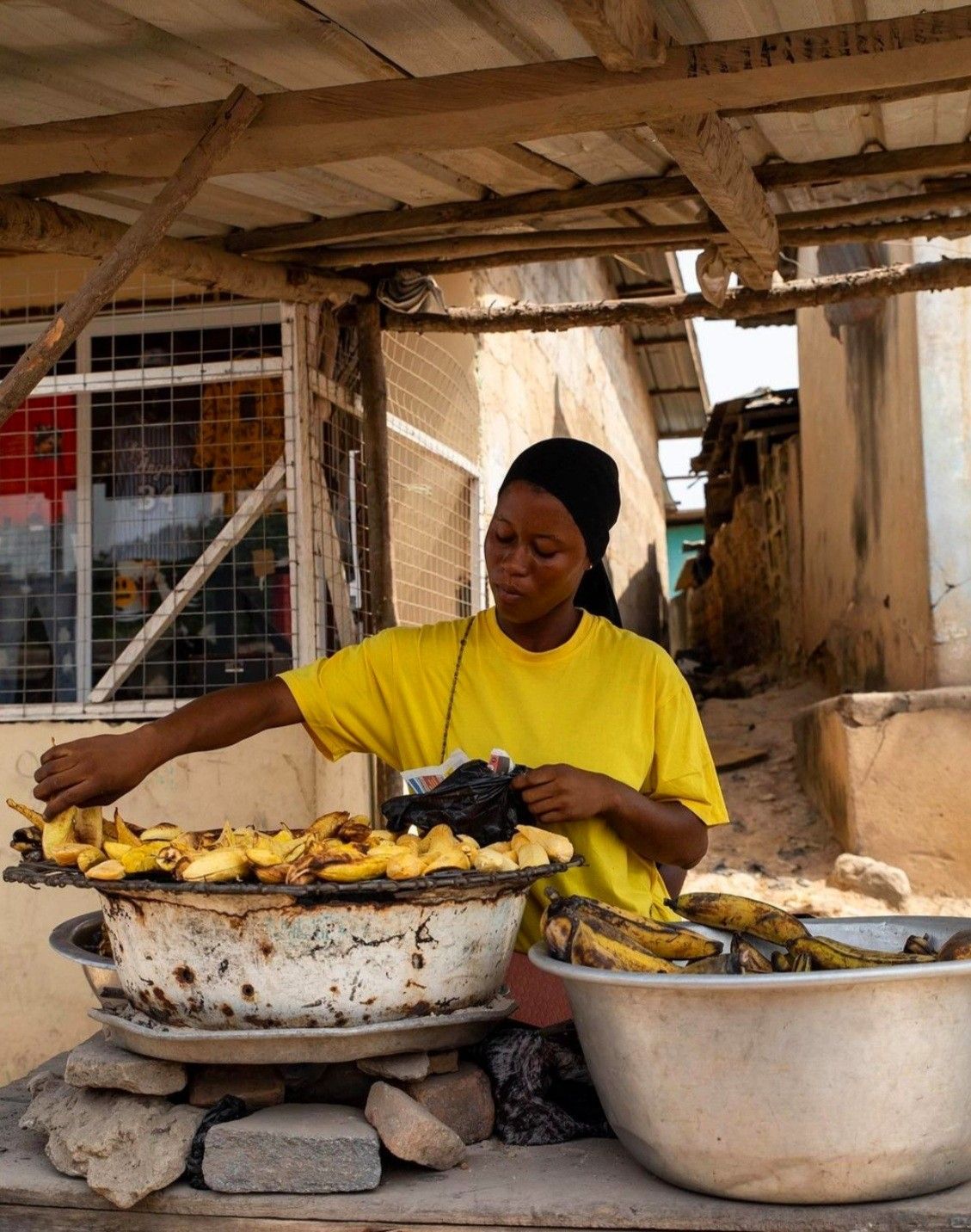
Starches form the foundation: maize, cassava, plantain, yam, rice, and beans appear in most meals. Proteins include fish (fresh, smoked, or dried like koobi), chicken, goat, snails, and occasionally mushrooms. Vegetables and aromatics such as tomatoes, onions, garlic, ginger, garden eggs, and hot peppers are used generously.
Palm oil gives many stews their characteristic red-orange color and earthy taste. Spices and seasonings like curry powder, nutmeg, cloves, star anise, and Maggi-style bouillon cubes add complexity. Shito, a dark, spicy pepper sauce made with dried fish or shrimp, is a ubiquitous condiment served with waakye, rice, and fried foods.
Fermented elements (as in banku and some porridges) and smoked or dried fish contribute umami and depth. Fresh herbs, pineapple, and leafy greens often appear as side dishes or garnishes, adding brightness to rich meals. Together, these ingredients create a cuisine that is robust, layered, and adaptable to regional availability.