

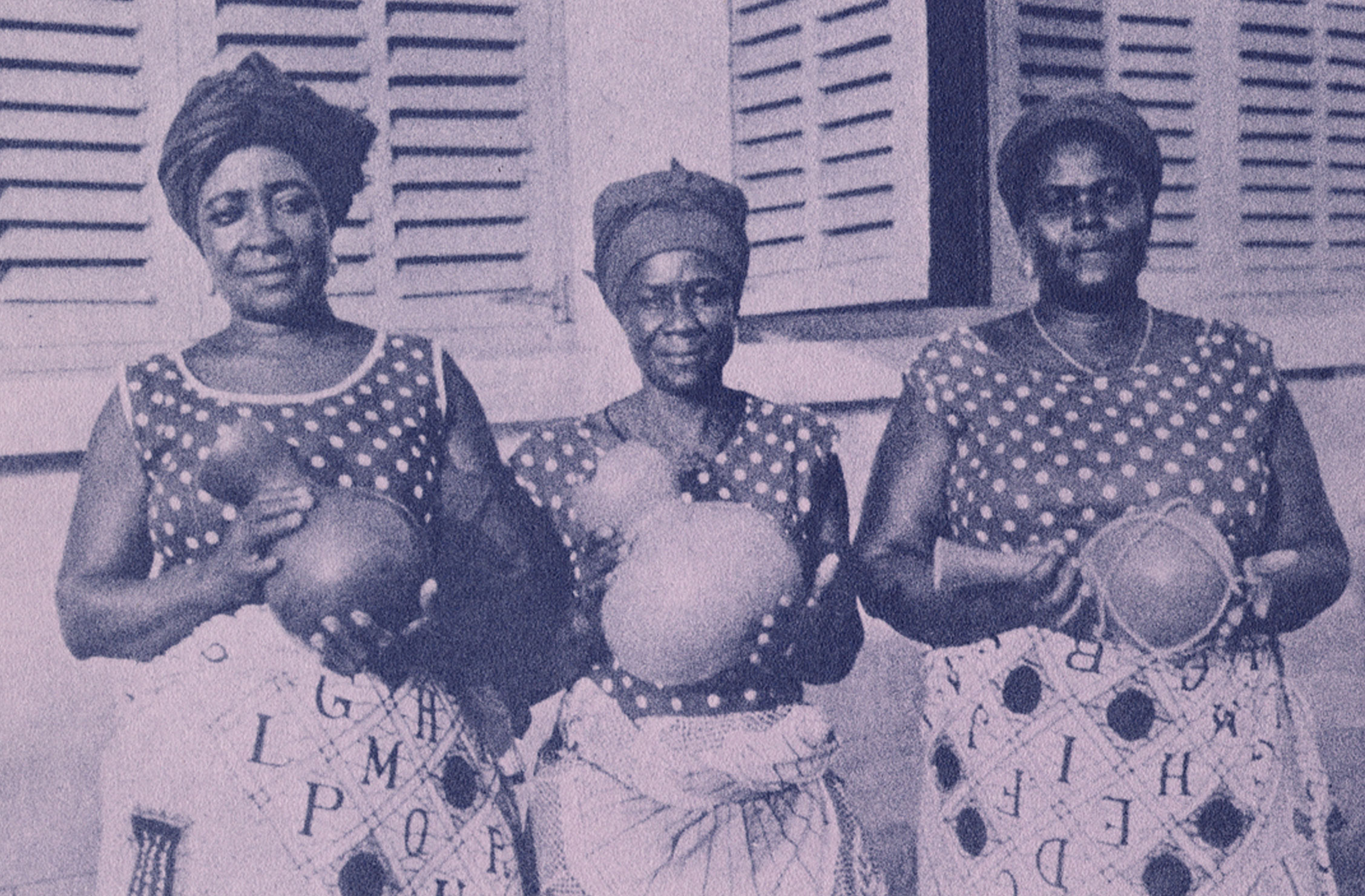
Music is one of the strongest expressions of identity among the Ga-Mashie people of central Accra. Through drumming, singing, dance, language, festival performance, and modern folk styles, music preserves Ga history while publicly affirming that Ga-Mashie culture remains alive in a fast-changing, multicultural city.
Music as cultural identity
For Ga-Mashie people, music is not only for entertainment. It is a living cultural system through which people express:
- Belonging to Ga-Mashie towns and quarters such as James Town, Usshertown, Sempe, Otublohum, and other historic Accra communities.
- Language, because song texts, chants, praise names, proverbs, and call-and-response patterns keep the Ga language audible and meaningful across generations.
- History and memory, especially stories of migration, hardship, survival, fishing life, family, chieftaincy, and relations with ancestors.
- Community values, including respect for elders, unity, discipline, courage, reciprocity, and pride in Ga heritage—often described through the idea of kusum, or cultural tradition/heritage.
In this sense, a Ga-Mashie performance does more than present music: it says, “We are here, we remember our past, and this is our cultural voice in Accra.”
Festivals and collective memory
Music becomes especially important during Homowo, the major Ga harvest festival. Homowo means “hooting at hunger,” recalling the Ga people’s endurance through famine and their celebration of survival and abundance. The festival includes ritual acts, food such as kpokpoi, libation, processions, drumming, singing, and dancing.
The sound of Homowo creates a shared cultural atmosphere. When people hear familiar songs, drums, chants, and procession rhythms in the streets, they are reminded of:
- Their ancestors’ struggles and resilience.
- Their connection to the Ga land and the historic communities of Accra.
- Their obligation to participate in community life.
- Their identity as Ga people, even within a city shaped by migration, commerce, and many ethnic groups.
Scholarly research focused on Ga-Mashie describes festival sound and performance as a key way Ga communities create a sense of place, organize collectively, and assert the continuing value of their heritage amid rapid social and economic change in Accra.
Drumming, dance and language
Traditional Ga music often depends on an interaction between drum, voice, movement, and audience. Drumming is communicative: rhythmic patterns can signal transitions, support dancers, call people together, and create the energy that holds a ceremony or celebration together.
Call-and-response is particularly significant. A lead singer or drummer begins a phrase, and the group answers. This reflects a communal worldview: identity is not only individual; it is made through participation. Everyone has a role—lead vocalist, drummer, dancer, elder, youth, chorus, or spectator responding with clapping, singing, and movement.
Songs can also carry messages that ordinary conversation may not express as powerfully. They may praise a family or chief, advise young people, criticize unacceptable behaviour, remember an event, mourn the dead, or celebrate achievement. Because these messages are carried in Ga, music helps sustain language and cultural knowledge.
From tradition to modern Ga music
Ga identity is also expressed through modern and popular music. Groups such as Wulomei, and earlier Ga-oriented bands including Adzɔ, Ashiedu Keteke, Dzadzeloi, and Suku, are closely associated with Ga identity and with bringing Ga musical forms into popular urban music.
This matters because cultural identity does not survive only by repeating the past exactly. It can also survive through adaptation. When contemporary musicians use Ga lyrics, local rhythms, traditional instruments, stories of Accra, fishing imagery, or Homowo references, they make Ga-Mashie identity relevant to younger listeners and to the diaspora.
For example, a modern song may use a contemporary band arrangement but retain Ga vocal phrasing, proverb-based lyrics, gome-influenced rhythms, or a theme about Ga land, family, and pride. The sound changes, but the cultural meaning remains connected to Ga-Mashie life.
Short conclusion
Music is the voice of Ga-Mashie identity. It preserves Ga language, teaches history, connects people to Homowo and ancestral traditions, strengthens unity, and allows the people of historic Accra to claim cultural visibility in the present.
A useful way to state it is:
For the Ga-Mashie people, music is not simply sound; it is memory, language, ceremony, community, and a declaration of who they are.