

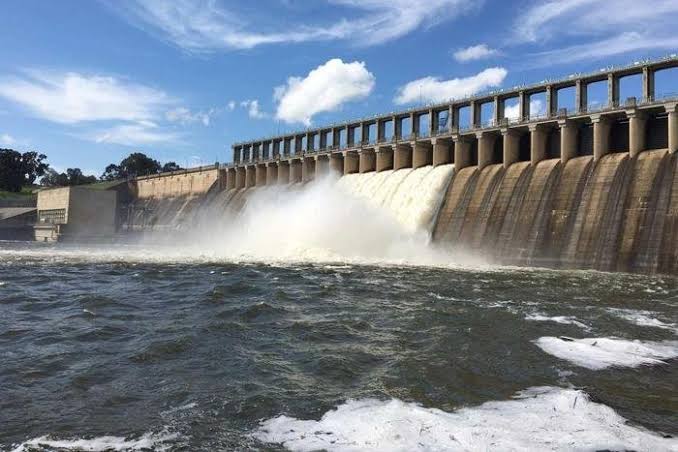
Communities along the south Densu River are calling on authorities to ensure a carefully managed discharge from the Weija Dam to reduce the risk of flooding and other hazards as a new spillage window approaches.
Why spillage is happening
Ghana Water Limited (GWL) says the dam’s water level has risen to about 45.2 feet, nearing the 46-foot threshold that triggers controlled release. Heavy rains upstream and continued rainfall across the Densu River catchment and its tributaries have pushed inflows higher, forcing GWL to open spill gates to protect the dam’s structural integrity.
The company has indicated that spillage is scheduled to resume on Wednesday, September 9, 2026, starting with one gate and potentially more if levels keep rising.
Communities in the flood path
GWL and disaster officials have listed several vulnerable locations likely to be affected by rising waters and spillway flow, including:
- Tetegu
- Oblogo
- Pambros Salt
- Lower McCarthy Hill
- Lower Weija
- Bojo Beach
- Ada Kopey
Past spillages have already flooded homes and roads in downstream areas such as Tetegu, Sampah Valley and Choice, displacing residents and damaging property.
What residents are asking for
In interviews and local reports, residents are not opposing spillage itself but are appealing for a more controlled, gradual, and well-communicated discharge to minimise damage. Key demands and suggestions include:
- Phased opening of gates so communities can move people and property in stages rather than facing a sudden surge.
- Clear, repeated alerts on timing, expected water levels, and which areas will be hit first.
- Permanent dredging of the Densu River and its estuary to improve flow capacity and reduce backwater flooding when spillage occurs.
- Focus on mitigation instead of demolition, with residents urging authorities to prioritise river works and early warning systems rather than only tearing down houses after floods.
Official guidance so far
GWL has urged residents in vulnerable and unauthorised settlements along the river course to evacuate ahead of the spillage and to follow directives from GWL, NADMO, and local assemblies. NADMO has previously warned people not to wait until they see water before moving to higher ground, and to avoid crossing floodwaters on foot or by vehicle.
The utility says it is closely monitoring the dam and will continue to provide updates as the situation evolves.